The quick answer for a small UK repair job

Handheld Sewing Machine controls and screen

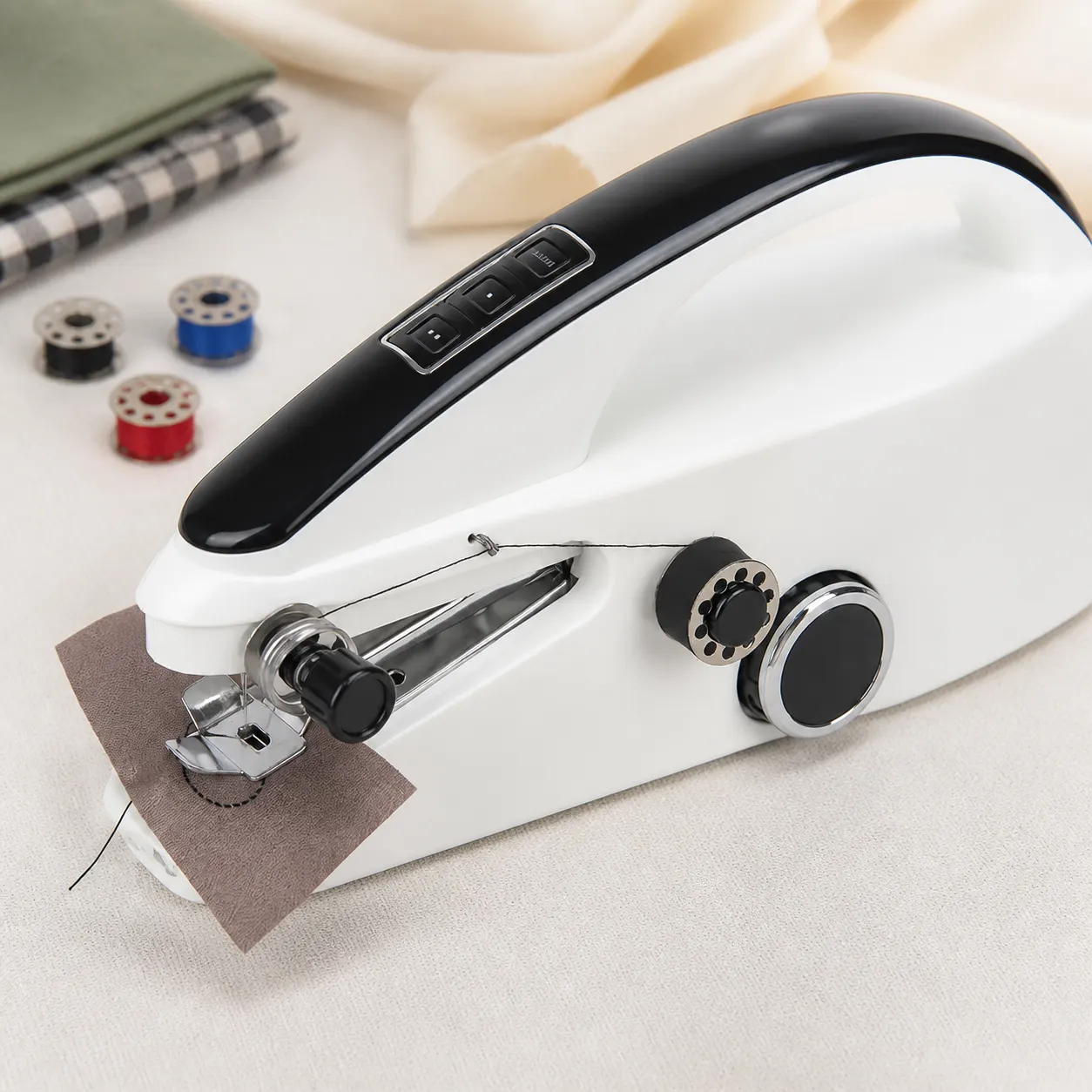
If you are searching for a quick repair sewing machine UK, the sensible answer is to look for a compact tool only when the job is small, light and immediate: a loose hem, a short open seam, or a simple fabric edge that does not justify setting up a full-size machine. The White SM8888 Handheld Mini Sewing Machine fits that low-commitment category because it is a handheld white mini machine, listed as model SM8888, with USB and dry-battery power methods documented. Treat it as a repair helper, not as a promise that every fabric problem can be solved in minutes.

The decision is mostly about control and fabric expectation. A handheld machine can appeal when you are working at a kitchen table, packing bench, student room desk or small craft corner, and you want a stitch line without turning the repair into a full sewing session. It is less attractive when the repair is thick, layered, highly visible, structurally important, or part of a larger dressmaking project. Before buying, match the tool to the exact job in front of you rather than buying around the vague hope that it will replace a conventional sewing machine.

The kitchen-table repair setting in a UK home

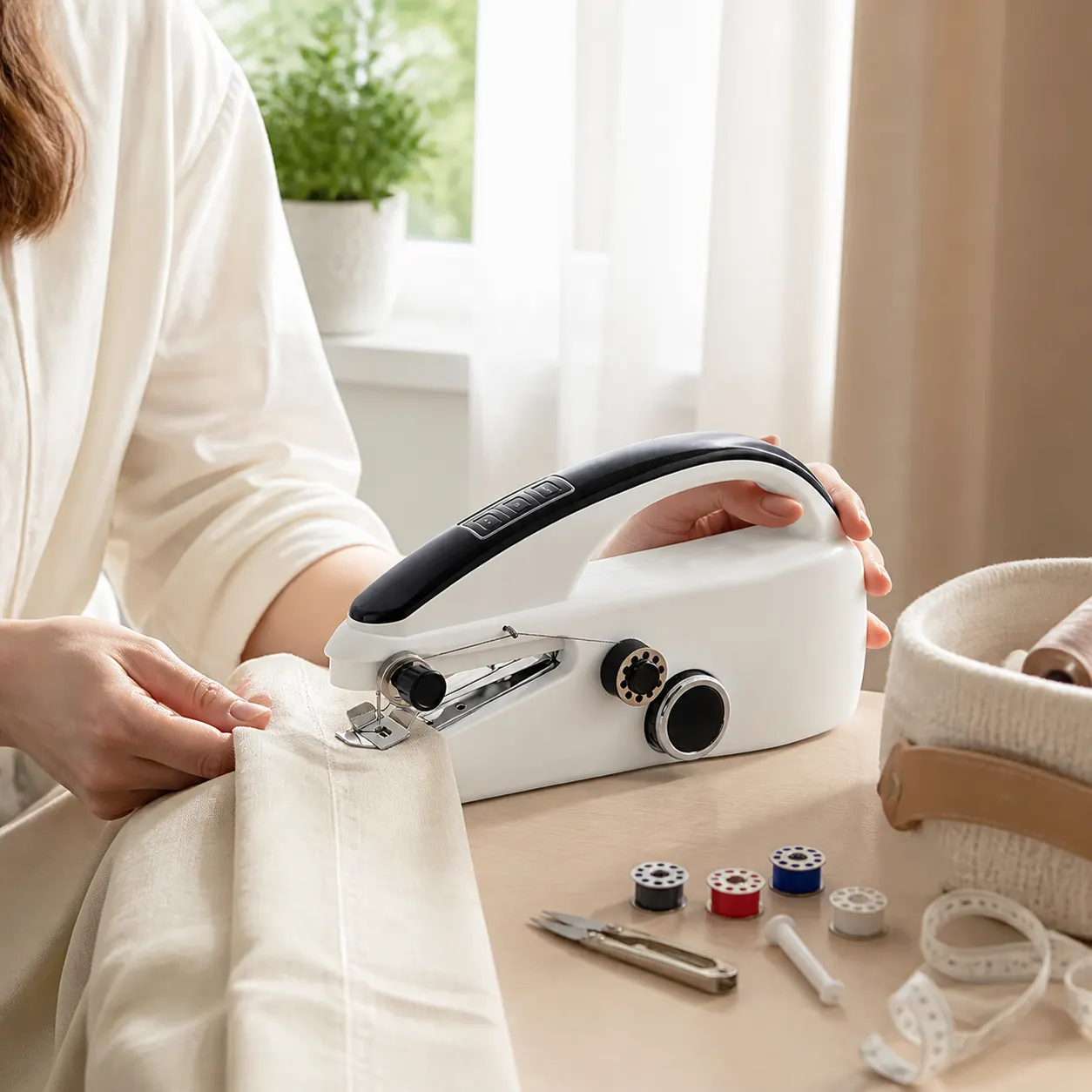
Picture the job in a real place: a shared flat in Manchester, a family kitchen in Bristol, or a small rented room where the dining table is also the workbench. The appeal of a handheld mini sewing machine is not that it creates a complete sewing station. It is that the tool can be brought to the item, used for a modest line of stitching, and put away without needing the space and confidence required by a larger machine. That matters when the repair is urgent but not worth a trip to a tailor.

This is especially relevant for people who do not see themselves as sewists. They may only need to rescue a hem before leaving the house, close a small seam on a lightweight item, or tidy a simple textile edge. In that situation, the buying question should be practical: can the documented tool, in its stated form, support a basic stitch on the kind of lightweight repair you have in mind? If the answer depends on heavy fabric, multiple folded layers or a professional-looking visible finish, the better decision may be to slow down and choose another method.

The documented facts to check before relying on it

The frozen product facts are narrow, so the check should be narrow too. The product is the White SM8888 Handheld Mini Sewing Machine, locked to the selected white SKU. The listed attributes identify model SM8888, 5W rated power and 6V rated voltage. The recorded power methods are USB and dry battery. Those are useful facts because they tell you the broad format of the tool and how it is intended to be powered, but they do not prove fabric compatibility, stitch quality, accessory contents, or results on a particular garment.

That matters because many sewing decisions are wrongly made from product type alone. A handheld shape suggests convenience, but it does not automatically mean easy control, neat visible hems, or suitability for every household textile. Before treating this as the answer to a repair, check the item you need to mend, the thickness of the fabric, the number of layers, and how visible the stitch line will be. The documented facts support a compact, powered, handheld mini-machine expectation. They do not support heavy-duty claims, dressmaking claims, upholstery claims or guarantees about beginner results.

Where the SM8888 format is a sensible match

The strongest match is a low-risk, short repair where speed and storage matter more than advanced sewing capability. For example, a loose hem on a lightweight garment, a small open seam away from a high-stress point, or a simple craft fix on a flat piece of fabric is closer to the kind of job a buyer usually has in mind when searching this query. In a small UK home, the practical benefit is that you are not committing a cupboard shelf, a permanent table space, or a weekend of learning to one minor repair.

It may also suit a beginner who wants to understand whether machine stitching feels useful before spending more on a larger machine. That does not mean it is a full beginner sewing course in a box. It means the barrier to trying a basic powered stitch is lower. The person most likely to be satisfied is the one who has one modest job, accepts that practice may be needed to keep a line straight, and values a drawer-friendly tool. The person least likely to be satisfied is the one expecting full-size machine behaviour from a handheld format.

Mismatches that should make you pause

Do not buy a handheld mini machine for a repair that must carry strain, take abrasion, or look professionally finished on first attempt. Thick denim hems, layered curtain edges, structured bags, upholstery, coat seams and garment construction are all examples where the need is bigger than the documented facts here. The product information does not list suitable materials, usage steps, included kit contents, or heavy-fabric capability. When those facts are missing, the honest buying move is to avoid assuming them into existence.

You should also pause if the repair is highly visible and you would be annoyed by a slightly uneven line. Handheld tools can be attractive because they feel immediate, but immediate does not always mean effortless. Beginners may still need scrap fabric, patience and a flat working position to understand how the tool behaves. If the item is expensive, sentimental, work-critical or difficult to replace, using a tailor, dry cleaner alteration service, careful hand sewing, or a full-size machine may be more proportionate than experimenting directly on the finished piece.

A practical repair check before you decide

Use this plain checklist at the bench before buying or using the tool. First, name the repair: loose hem, short seam, simple textile edge, or something heavier. Second, check the surface: can the area lie reasonably flat under your hand, or is it bulky and awkward? Third, check the fabric layers: one or two light layers are a more realistic expectation than thick folded layers. Fourth, check visibility: a hidden or low-visibility stitch line is lower risk than the front of a garment. Fifth, check power preference: the documented options are USB and dry battery, so choose the setup you are comfortable managing.

Then make the decision from the answers, not from the attraction of a quick fix. If the repair is small, light, flat and not highly visible, the White SM8888 handheld format may be a reasonable tool to consider. If the repair is thick, load-bearing, curved, expensive or presentation-critical, step away from the quick-repair mindset and choose a method with more control. This is the simplest way to avoid the common mismatch: buying a compact tool because the problem feels small, when the fabric job itself is actually demanding.

How to compare it with hand sewing or a larger machine

Hand sewing is slower, but it gives you direct control and needs almost no setup. For a tiny visible repair, that control may matter more than speed. A full-size sewing machine takes more space and confidence, but it is the more sensible direction for regular sewing, longer seams, larger projects and more demanding fabric work. The handheld SM8888 sits between those two choices: more tool-like than a needle and thread, far less involved than a full sewing station, and best considered for modest repair moments where convenience is the main problem.

A fair comparison is not “which one is best?” but “which one fits this repair?” Choose hand sewing when the repair is delicate, tiny, awkwardly placed or needs careful invisible work. Choose a full-size machine or professional alteration when the job is frequent, heavy, long, or important to the garment’s structure. Consider the handheld mini machine when the repair is basic, short and light enough that you mainly want a compact powered option nearby. That framing keeps the purchase grounded and stops a small tool being asked to do the wrong job.

The grounded next step for a UK buyer

If the SM8888 format still fits after those checks, review the public product facts one final time: white handheld mini sewing machine, model SM8888, 5W rated power, 6V rated voltage, and USB plus dry-battery power methods. The listed price in the frozen commerce data is £31.64 with VAT included, and the policy information records Free UK Delivery, 1–3 business days processing, 2–4 business days delivery after dispatch, and a 30-day return window. Those details help you judge the commitment level without pretending the product can do more than the facts show.

The best next step is to choose one real repair and decide whether it is a fair first job. A dropped lightweight hem on an older garment is a better starting point than a thick pair of jeans needed for work tomorrow. Keep expectations plain: practise if needed, work on a stable surface, and avoid using the tool as a shortcut for repairs that deserve more control. A quick repair sewing machine UK search should end with a useful match, not just a smaller gadget. The right purchase is the one that solves your actual bench-top problem without creating a new one.